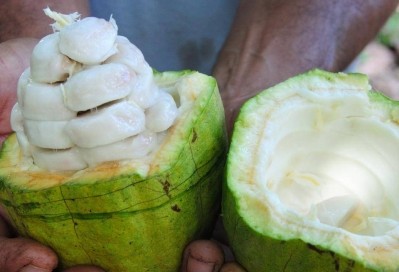
Global cocoa and ingredients company Cargill has announced a new commercial partnership with Voyage Foods to produce alternatives to cocoa-based products and nut spreads without using cocoa, peanuts, and hazelnuts.
Foodtech company Incredo expands its sugar reduction solutions with the launch of Incredo Sugar G2, a concentrated version of its clean label, protein-sucrose blend Incredo Sugar made from cane and/or beet sugar and a dairy- or plant-based protein to...
Darling Ingredients’ health brand, Rousselot, has been at the forefront of much of the innovation involving clean-label gelatin and collagen-based solutions and has discovered a way to fill them with the correct amounts of nutraceuticals.
The Global Jellies & Gummies Market size is expected to reach $19.9 billion by 2030, rising at a market growth of 4.2% CAGR during the forecast period, according to fresh research by ResearchAndMarkets.com.
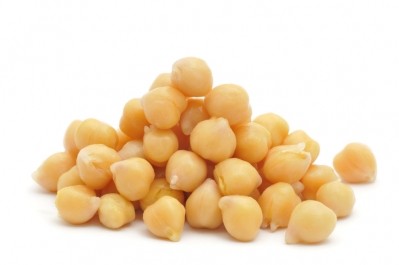
Israeli company InnovoPro is bringing its clean-label, chickpea protein powered solutions to the broader food and beverage industry after proving its ability to bind, blend, foam and problem-solve other common challenges within plant-based categories....
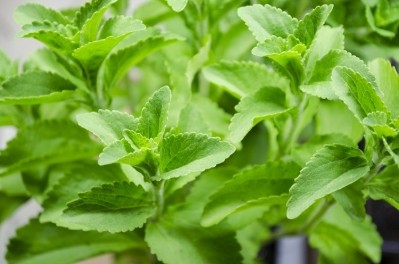
EverSweet, a stevia sweetener made via fermentation rather than stevia leaf extraction, is one step closer to market entry in Europe having received positive safety opinions in the EU and UK.
ProSweets Cologne and ISM have lined up a strong ‘Sweet Week’ when it opens on Sunday 28 January attracting hundreds of international exhibitors showcasing at the city’s Koelnmesse exhibition centre.
GNT, the company behind EXBERRY food colors, will demonstrate how its plant-based, sustainable portfolio can help maximize product appeal for manufacturers at ProSweets Cologne, which runs this year from 28-31 January.
The notion of ‘healthy indulgence’ represents a shift of emphasis – and an exciting opportunity – for confectioners, chocolatiers, and bakers who are only too well aware that consumers are becoming increasingly health-conscious and interested in sugar...
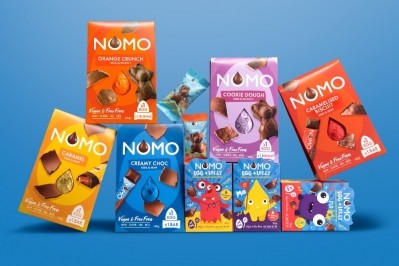
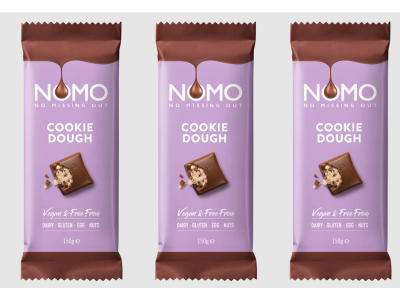
Vegan and free from chocolate brand, NOMO says it ‘won big’ at the 2023 Veggie Awards, taking home gold in the Vegan Snacks category for its Caramel Filled Bar.
Chocolate confectionery is a significant market, expected to be worth over $128 billion (130 billion Euro) in global retail sales by the end of 2024. With a volume growth of +2% over the next 5 years to 2027, it is also a dynamic market, so what trends...
More than 30 ingredients specialists are set to attend ProSweets Cologne, the supplier fair that runs along side ISM sweets and snacks trade show, to offer natural and sustainable solutions that contain less sugar or carry a clean label declaration.
Special Edition: Natural & Clean label confectionery
According to the most recent Corbion Consumer survey, the primary drivers for consumers of confectionery remain centered around flavour and reputable brands. In the realm of sugar confectionery, fruit flavours continue to hold sway as the top choice among...
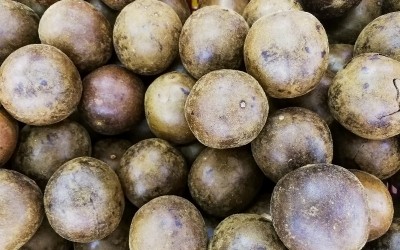
Monk fruit has gained popularity as a natural sweetener, and is poised for growth alongside natural and better-for-you trends as consumers and brands reduce sugar across categories, Monk Fruit Corp.'s GM David Thorrold told FoodNavigator-USA.
Luker Chocolate, a premium and sustainable brand from Colombia, has also been at the forefront of introducing new flavours to chocolate bars over the past couple of years, and the company has gathered valuable insights from recent trade fairs ExpoWest...
The world is currently fraught with uncertainties, ranging from economic and political instability to the ongoing threat of climate change and supply chain shortages. Along with the ever-present shadow of Covid-19, these factors are impacting people’s...
In the upcoming webinar (airs 13 September), ConfectioneryNews will profile some of the key innovations in the sector that are being driven primarily by consumer trends. As R&D budgets are increased, we have seen ground-breaking innovations in the...
Oats have well and truly earned their place in the small but growing plant-based ice cream sector, according to new data. But brands still must elevate consumer expectations of texture.
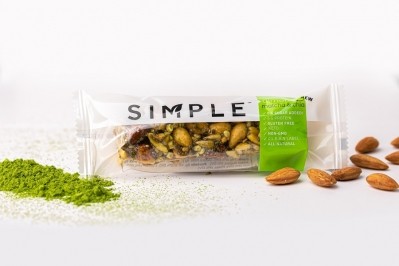
In a dense market like the snack bar category, brands are challenged with distinguishing themselves through ingredients, nutrition, marketing and packaging. For Amanda Ament, CEO of Simple Bars, ingredients, certified no-sugar labeling and packaging are...
Just 12% of the milk alternatives studied had a comparable or greater amount of nutrients calcium, vitamin D, and protein, compared to that found in cow’s milk.
Scientists at the University of Alberta have discovered a way to create a plant-based gelatin substitute from pea protein and are already collaborating with a multinational leader in plant-based ingredients.
Ice cream makers could innovate with emulsifier-stabilizer blends if they wish to avoid paying a premium for single-ingredient options such as LBG, claims Palsgaard’s Claus Prior Hansen.
German ingredients company Döhler has announced plans to acquire SVZ, a Dutch supplier of fruit and vegetable ingredients, from Royal Cosun. The move is expected to buildout Döhler’s portfolio, notably in red fruit and vegetable ingredients.
Swerve, one of the leading manufacturers and marketers of zero-sugar, keto-friendly, and plant-based sweeteners, is at the forefront of the sugar-free baking trend. The company’s innovation and expansion into monk fruit and allulose sweetener offerings,...
As consumers access to nutritional information improves, they are increasingly aware of the potential impact of sugars on their diets and health. 42% of EMEA consumers are trying to choose healthier products, with reduction of sugars op of mind (Source:...
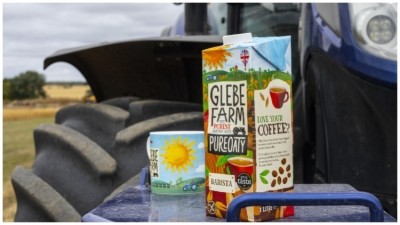
The co-owner and managing director of Glebe Farm Foods looks at what the future may hold for the humble oat as consumer tastes and needs continue to evolve.
Cabosse Naturals, established by Barry Callebaut to unlock the potential of the entire cacaofruit, has launched a ‘free-flowing, 100% pure cacaofruit powder’, a new ingredient that can replace refined sugar in food manufacture, which also caters to growing...
Top UK vegan and free from chocolate brand, NOMO, has announced it has won four major accolades at the Free From Food Awards including being named the Large Independent Brand of the Year 2023.
T. Hasegawa USA is ramping up its mission to ‘make life taste better’ through next gen tech innovations that not only perfectly replicate the flavours of nature, but pinpoint specific nuances, which could be a game-changer in getting your baked treat...
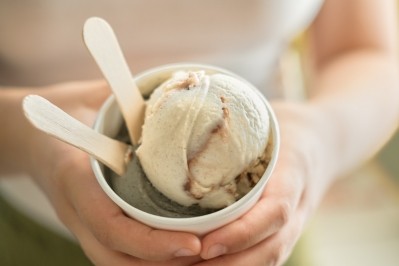
As the plant-based ice cream market expands with a range of flavors and formats, innovation in the space will need to better recreate the taste, texture, and mouthfeel of animal-based counterparts to entice consumers into the category, Christine Usmen,...
Cargill's consumer preference study revealed that despite the widespread popularity of gelatin-based gummies, participants overwhelmingly favored a softer gummy texture made from alternative ingredients like pectin or tapioca.
In a bid to create a more “memorable” identity, Israeli food-tech company DouxMatok is rebranding to share the same “single, powerful” name as its signature sugar reduction product – Incredo – which it plans to further develop and commercialize with the...
The functional ingredients specialist has expanded its sugar reduction portfolio with a short-chain fructooligosaccharide (scFOS) that replaces sugar while adding dietary fibre, enabling producers to capitalise on the growing better-for-you demand.
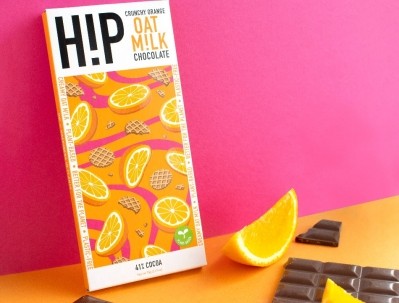
Plant-powered confectionery brand H!P has released its latest offering - a Crunchy Orange bar - that ticks all the boxes for conscious consumers … smooth, creamy oat m!lk chocolate combined with zesty orange and crunchy waffle cone pieces.
With new inventions and innovations coming thick and fast, the plant-based confectionery category is increasingly shifting into the mainstream market with big brands like Mars entering the space in the past couple of years.
As the agriculture industry continues its mission of feeding the world's growing population amid climate change, the entire supply chain is coming together to boost regenerative farming practices, creating an opportunity for the plant-based foods...
The recent Plant-Based Protein Manufacturing Summit in Amsterdam brought together leading businesses in the plant-based food and beverage industry with co-manufacturers, innovative equipment and solution providers to explore the challenges and opportunities...
The plant-based sector remains an enormous long-term growth opportunity, though investor retrenchment will continue in the short term, investors told the recent Plant-Based Protein Manufacturing Summit in Amsterdam.
Koelnmesse, organisers of ISM 2023, said health, sustainability and creative flavours will be among this year's trends in the sweets and snacks section, when the trade fair convenes in Cologne from 23 to 25 April 2023 with approximately1,300 exhibitors...
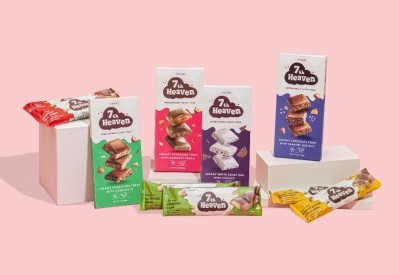
Israel’s premier vegan chocolate brand, 7th Heaven Chocolate, has launched in the United States after two years of research & development on a formula that delivers the same creaminess as milk chocolate.
Plant-based is one of the most important trends in the food industry today. Meat- and dairy-free products are helping provide food alternatives to an ever-growing flexitarian market. But some questions still remain. For one, since many plant-based foods...
Natural confectionery food colourists GNT will be showing visitors to ProSweets Cologne 2023 how its plant-based EXBERRY colours can help brands create eye-catching confectionery that connects with modern consumer demands looking for something new.
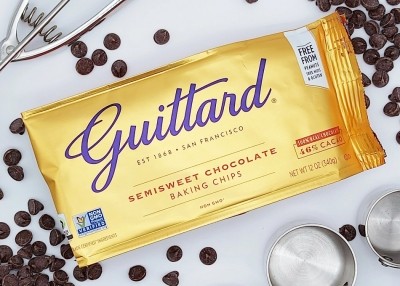
Guittard Chocolate Company has announced its dairy-free kosher pareve processing capabilities and its new dairy-free product line, which will include three retail baking chips - Semisweet Chocolate Chips, Extra Dark Chocolate Chips, Akoma Organic Extra...
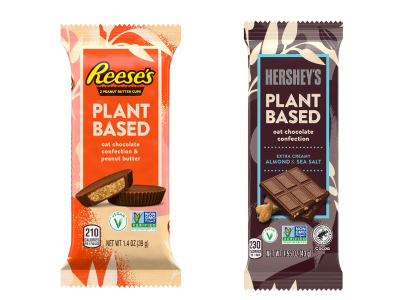
The Hershey Company has released dairy-free alternatives for two of its most iconic brands with Reese’s plant-based peanut butter cups going on sale this month, making it the first vegan chocolates sold nationally, followed by Hershey’s plant-based extra...