


Cell-based chocolate and cultivated cocoa butter: summary
- Mondelēz and Celleste Bio produced lab-grown chocolate bars
- Cell cultivation creates cocoa butter using cells from one bean
- Cultivated cocoa hopes to help climate disease ageing farms and price volatility
- Cell-based cocoa butter said to deliver identical melt, texture, mouthfeel and shine
- Celleste Bio plans for cell-based cocoa butter to be market ready by 2027
Chocolate bars made from lab-grown ingredients, rather than cocoa sourced from plantations, are no longer confined to science fiction. They are now a reality, with nearly a dozen such chocolate bars having been produced.
Mondelēz and Celleste Bio partner on cell-based chocolate
The milk chocolate bars are the result of a strategic partnership between Israeli start-up Celleste Bio and one of its investors, confectionery giant Mondelēz. Although it was the latter that used the cell-based ingredient in its chocolate bars, Celleste Bio takes responsibility for production of the all-important ingredient: cell-based cocoa butter.
Celleste Bio uses cell suspension culture technology to produce cocoa butter in the lab, generating enough chocolate‑grade ingredient from a single cocoa bean to make chocolate bars.

To produce cell‑based cocoa butter, Celleste Bio takes a cocoa bean, opens it and places it in a Petri dish. Once cells begin to grow, they are extracted and fermented with water, sugar and vitamins, allowing biomass to develop. This biomass is then harvested and processed to create cocoa butter.
Cell cultivation relieving a sector under strain
A growing number of innovators are working with cell-cultivated cocoa. But Celleste Bio is the only one known to be developing cultivated cocoa butter. For CEO Michal Beressi Golomb, the fat element in chocolate is quite simply “everything”. It gives chocolate its unique melt profile, its “snappiness”, its shine, and importantly, its “feeling on the palate”. And as an ex-chef, she should know.
What cocoa butter brings to chocolate is quality, she explains. “Cocoa butter determines the texture, the melt and mouthfeel. There’s nothing else in food that behaves quite like it.”
That’s not to say that developing other elements of cocoa in the lab, like cocoa powder, isn’t important. It is. The cocoa sector is under considerable strain, faced with the reality of ageing farms, climate disruption, disease, and shrinking arable land. For proof, look no further than the recent volatility in cocoa prices, which has completely upended the chocolate sector.
Other start-ups are investing heavily in the production of cell-based cocoa powder, including California Cultured and Kokomodo. And in the future, Celleste Bio also plans to add cocoa mass (a mixture of cocoa butter and powder) to its pipeline of ingredients.
Countdown on until cell-based cocoa hits market
By successfully producing cell-based chocolate bars with Mondelēz, Celleste Bio wants to show the world its cell-cultivated ingredients are bio-identical to conventionally grown cocoa.
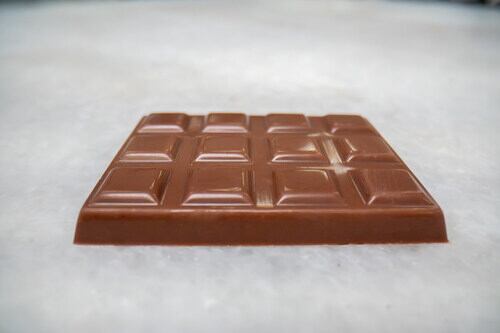
The start-up is currently moving from lab to pilot scale, finalising a 1,000-litre pilot facility, and says its cell-based cocoa butter will be market ready by 2027.
Of course, being ready for the market does not guarantee immediate market acceptance. No cell-based cocoa product has achieved pre-market approval to date, but Celleste Bio is preparing dossiers for the US, EU, Israel and the UK.
Consumer acceptance remains another open question. Do people want to eat cocoa made in a lab, rather than grown in a plantation? The start-up’s CEO doesn’t foresee pushback, noting that chemically it is identical.
Cell‑based cocoa, she says, should not be seen as an alternative but as the real thing: “It’s real cocoa.”


